.png)


How to Stop Mold Spread Before It Takes Over
A wet carpet after a plumbing leak, a musty closet, or a brown stain on the ceiling can become a much larger problem faster than most property owners expect. Knowing how to stop mold spread starts with controlling moisture immediately, not waiting to see whether the area dries on its own. Mold can begin growing within 24 to 48 hours when water, organic material, and poor airflow come together.
For homeowners, landlords, and business owners in eastern Wisconsin, the right response protects more than a wall or floor. It can limit damage to insulation, framing, furnishings, inventory, and indoor air quality. The goal is simple: stop the water source, dry the affected materials correctly, and keep spores from moving into clean areas.
How to Stop Mold Spread After Water Damage
Mold needs moisture to remain active. That means the first priority is not spraying a surface with cleaner. It is finding and correcting the condition that allowed the material to stay wet.
Shut off an active water source if it is safe to do so. A leaking supply line, failed appliance hose, roof leak, overflowing fixture, or foundation seepage must be addressed before cleanup can succeed. If water is coming from a sewer backup, floodwater, or another contaminated source, avoid handling porous materials yourself. Those losses can carry bacteria and other hazards in addition to mold concerns.
Once the source is controlled, remove standing water and begin drying immediately. Wet rugs, towels, cardboard boxes, and upholstery can hold moisture against floors and walls. Move what can be safely moved, but do not drag wet items through unaffected rooms. That can spread moisture and mold spores into clean spaces.
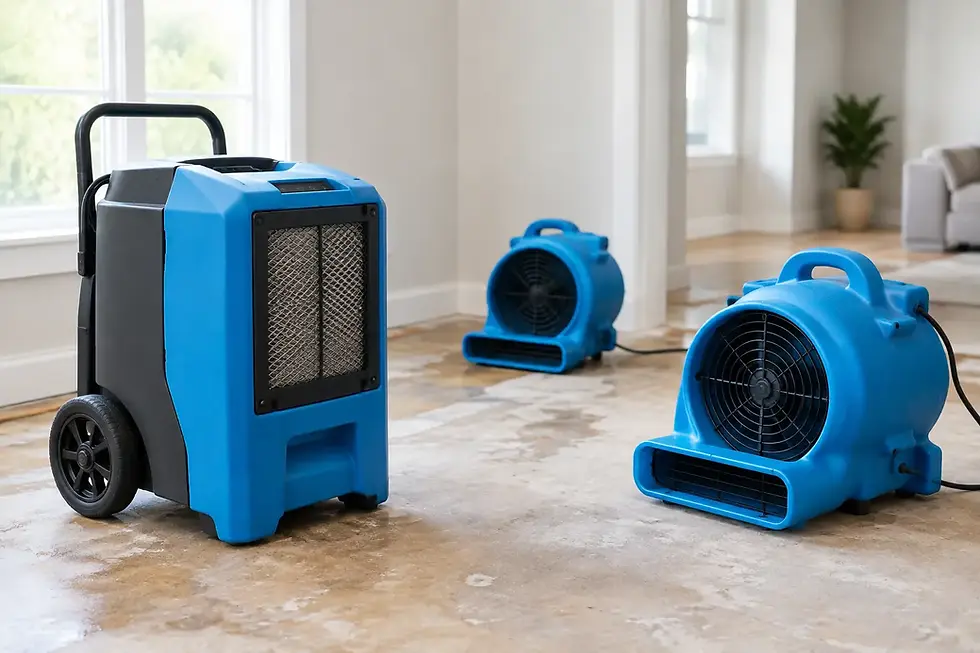
Use ventilation carefully. Opening windows may help when outdoor air is dry, but it can make conditions worse during humid Wisconsin weather. Dehumidifiers and properly placed air movers are usually more reliable because they pull moisture from the air and materials. The objective is to dry the structure, not merely make the room feel less damp.
Check the Areas You Cannot Easily See
A surface that looks dry may still have moisture behind it. Water can travel under flooring, into wall cavities, beneath cabinets, through insulation, and along framing. This is especially common after appliance leaks, ice dam damage, pipe breaks, and overflowing toilets.
Look for peeling paint, warped trim, swollen baseboards, soft drywall, staining, musty odors, or flooring that feels loose or cupped. These signs do not always reveal the full extent of damage. Moisture meters and thermal imaging can help identify hidden wet materials without unnecessary demolition.
If a wall, ceiling, or floor remained wet for more than a day or two, assume it needs a closer inspection. Fast drying is often the difference between a contained water loss and a more involved mold remediation project.
Contain the Area Before Spores Travel
Mold spores are naturally present indoors and outdoors, but disturbed growth can release additional spores into the air. Scrubbing, tearing out drywall, or running a household fan across visible mold can send particles into nearby rooms and HVAC pathways.
Keep people and pets out of the affected area, particularly anyone with asthma, severe allergies, respiratory conditions, or a weakened immune system. Close doors to the room if possible. Do not use central heating or air conditioning if you suspect contamination may be entering the return vents or if visible growth is near ductwork.
For a small, isolated spot on a hard, nonporous surface, careful cleaning may be reasonable after the moisture issue is fixed. Wear gloves, eye protection, and a properly fitted respirator. Clean the surface, dry it completely, and monitor it for return growth. Do not paint or caulk over mold. Covering it may hide the evidence, but it does not remove the underlying moisture or contamination.
Porous materials are different. Drywall, insulation, ceiling tiles, carpet padding, particleboard, and heavily affected fabrics can be difficult or impossible to clean completely. When mold has grown into these materials, removal is often safer than trying to treat the surface.
Avoid Common Cleanup Mistakes
Some well-intended actions make mold spread more likely. Bleach is not a complete answer for porous building materials because it may not reach growth below the surface. Fragrance sprays and deodorizers only mask odors. A musty smell that returns after cleaning is a warning that moisture or hidden mold may still be present.
Do not dry wet structural materials with uncontrolled heat. High heat can damage finishes and may not remove trapped moisture. Avoid placing fans so they blow directly from a moldy room into a clean hallway or living area. And never assume a basement is dry simply because there is no standing water. Elevated humidity, condensation, and slow foundation seepage can feed mold without an obvious flood.
Control Humidity to Prevent New Growth
Stopping an existing problem is only part of the job. The property also needs conditions that discourage mold from returning.
Aim to keep indoor relative humidity generally below 50 percent when possible. Bathrooms, laundry rooms, basements, crawlspaces, and commercial storage areas need particular attention. Run exhaust fans during showers and cooking, and make sure those fans vent outdoors rather than into an attic or wall cavity. Repair condensation around windows, cold-water pipes, and HVAC equipment.
Basements often need a dedicated dehumidifier during warm, humid months. Empty and clean the reservoir regularly, or set up a proper drain line. In rental properties and commercial buildings, it also helps to inspect vacant units, utility rooms, roof drains, and mechanical spaces on a routine schedule. A small leak in an unoccupied area can become a widespread loss before anyone notices it.
Outside drainage matters too. Keep gutters clear, direct downspouts away from the foundation, and correct grading that directs rainwater toward the building. If water enters after every storm, interior cleaning alone will not solve the problem.
When Professional Mold Remediation Is the Safer Call
A small surface spot is not always an emergency, but widespread or recurring mold should be treated as a property condition that needs professional assessment. The same applies when the affected area is larger than roughly 10 square feet, when materials were wet for several days, or when growth is connected to sewage, floodwater, HVAC systems, or a hidden leak.
Professional remediation is also appropriate when mold is inside walls, under flooring, in attics, around structural framing, or throughout multiple rooms. These projects require more than cleaning. A trained team can establish containment, use air filtration, remove affected materials safely, dry the structure to appropriate targets, document the loss for insurance purposes, and complete needed repairs after remediation.
For a business, quick action can reduce downtime and help protect employees, tenants, customers, equipment, and inventory. For landlords and property managers, documentation of the source, drying process, affected materials, and repairs can be valuable when coordinating with insurers and maintaining the property.
Lakeshore Restoration LLC provides 24/7 emergency response, mold inspection, remediation, water mitigation, and reconstruction for property owners across Two Rivers, Manitowoc, Sheboygan, Green Bay, and nearby Wisconsin communities. Certified restoration professionals can help determine whether you are dealing with a limited cleanup or a hidden moisture problem that needs controlled remediation.
Protect the Property While You Wait for Help
If you are waiting for an inspection or emergency response, focus on preventing additional moisture and unnecessary disturbance. Take clear photos of the affected area and the suspected source. Save receipts for emergency plumbing work, temporary drying equipment, or damaged materials. If it is safe, move unaffected belongings away from wet walls and floors.
Do not remove large sections of drywall, insulation, or flooring unless you have confirmed the area can be handled safely. Disturbing concealed mold without containment can turn a localized issue into a broader cleanup. Keep the area closed off, maintain drying equipment as directed, and report any new odors, staining, or dampness.
Mold problems are rarely solved by waiting. A fast, controlled response gives your property the best chance of avoiding deeper structural damage and a more costly repair later.


Comments