.png)


When to Call a Sewage Backup Cleanup Service
The smell usually hits first. Then you see dark water around a floor drain, toilet base, or basement edge and realize this is not a normal plumbing mess. A sewage backup cleanup service is not just about drying out dirty water. It is about stopping exposure to bacteria, protecting the structure, and getting the property back to a safe condition fast.
When sewage backs up into a home, rental, office, or commercial space, every hour matters. Contaminated water can soak into flooring, drywall, insulation, trim, and contents quickly. What looks like a small backup on the surface can spread under flooring systems, behind walls, and into the air through lingering odors and elevated humidity.

Why sewage backup cleanup is different from ordinary water damage
Not all water losses are handled the same way. Clean water from a broken supply line is one thing. Sewage is another category entirely because it carries waste, bacteria, viruses, and other harmful contaminants. That changes the safety requirements, the cleanup methods, and the materials that can be saved.
A mop, wet vacuum, and fan are not enough for this type of loss. In many cases, porous materials that came into contact with sewage need to be removed and discarded. That can include carpet pad, baseboards, drywall, insulation, and upholstered items. Hard surfaces often need detailed cleaning and disinfection, followed by drying and verification that moisture has been brought under control.
This is also why fast professional response matters. Delays make contamination spread farther and increase the chance of long-term odor, microbial growth, and structural damage.
When to call a sewage backup cleanup service immediately
If sewage water has entered occupied space, the safest move is to call for professional help right away. The same goes for backups that affect a basement, bathroom, utility room, crawl space, or slab-level area where water may travel farther than you can see.
Some situations leave little room for wait-and-see decisions. If more than one drain is backing up, if a toilet overflow involves waste water, if you smell sewer gas, or if the backup has reached carpet, drywall, or HVAC components, treat it as an emergency. Businesses should also move quickly because contamination can interrupt operations, create liability concerns, and affect employees or customers.
There are a few cases where the cause also matters. A main line backup, heavy rain event, sewer line failure, or repeated drain overflow can point to a larger problem that must be corrected before restoration is complete. Cleanup without fixing the source only sets the stage for another loss.
What happens during professional sewage backup cleanup
A qualified sewage backup cleanup service starts with safety and containment. Technicians assess the affected areas, identify where the contamination has spread, and determine what materials are salvageable. They also take steps to limit cross-contamination into clean areas of the building.
Next comes extraction and removal. Standing sewage and contaminated debris are removed first because the longer they stay in place, the more they soak into structural materials. If carpet, pad, drywall, insulation, or other porous items cannot be safely restored, they are cut out and disposed of according to proper handling standards.
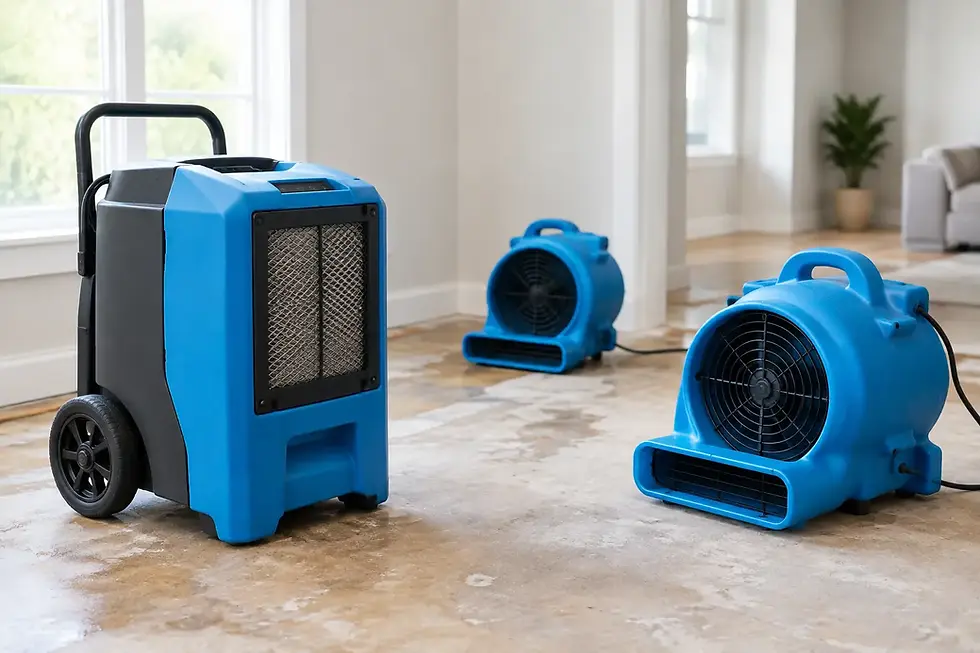
Then the real cleaning begins. Hard surfaces are scrubbed, detailed, and disinfected. In many losses, specialized drying equipment is set up to pull moisture from framing, concrete, subfloors, and other hidden areas. Air movement and dehumidification are controlled carefully because the goal is not just to dry the visible mess but to stabilize the entire affected area.
Odor treatment may also be needed. Sewage odors can linger in porous materials, floor systems, and enclosed cavities even after visible waste is gone. Depending on the extent of the loss, deodorization may involve multiple steps before the property is ready for repairs or normal use.
What you should do before the crew arrives
First, keep people and pets out of the affected area. Sewage contamination is a health issue, not just a cleanup issue. If the backup is active and it is safe to do so, stop using plumbing fixtures in the building. Running sinks, toilets, dishwashers, or washing machines can make the backup worse.
If electricity is affected near standing water, do not enter the area until it has been evaluated safely. Avoid touching contaminated items with bare hands. Do not try to save contents by carrying them through clean areas unless a professional has advised you how to do it without spreading contamination.
Photos can help with documentation if they can be taken safely from outside the affected area. After that, the best next step is to let a trained crew take control of the loss.
Can anything be saved after a sewage backup?
Sometimes yes, sometimes no. It depends on how long the contamination sat, what materials were affected, and whether those materials are porous or non-porous. Tile, concrete, metal, and some sealed surfaces can often be cleaned and disinfected effectively. Carpet pad, insulation, and many soft materials usually cannot.
Wood flooring falls into the gray area. In some losses it can be partially saved if action is immediate and contamination is limited. In other cases, sewage has moved beneath the boards or into the subfloor, making removal the safer choice. The same kind of judgment applies to cabinets, trim, and lower drywall. A proper inspection matters because surface appearance alone does not tell the full story.
That is one reason many property owners prefer a company that can handle both mitigation and reconstruction. Once contaminated material is removed, repairs often need to follow quickly to restore the space fully.
How insurance usually fits into the process
Coverage depends on the policy and the source of the backup. Some policies cover sudden and accidental sewer or drain backups only if a specific endorsement has been added. Others may exclude certain causes or place limits on what is covered.
What helps most during a stressful claim is clear documentation. A professional team can record the affected materials, the contamination category, the emergency work performed, and the drying or demolition needed to protect the property. That kind of documentation often makes the claim process smoother and reduces confusion about why certain materials had to be removed.
For landlords, property managers, and business owners, this matters even more. Faster paperwork and accurate scope details can shorten downtime and support repair approvals.
Choosing the right sewage backup cleanup service
This is not the job to hand off to a general handyman or the cheapest name you can find online. You want a company that treats sewage as a contamination event, not just a wet basement. Look for trained restoration professionals, emergency availability, proper protective procedures, moisture detection, and the ability to carry the project through cleanup and repairs.
Local response matters too. In communities like Two Rivers, Manitowoc, Sheboygan, and Green Bay, weather, aging infrastructure, frozen lines, and heavy storm conditions can all play a part in backups. A local team understands the urgency and can get on site fast when conditions are getting worse by the hour.
It also helps to work with a company that communicates clearly. Property owners need honest answers about what can be saved, what cannot, how long the drying may take, and what steps come next. That kind of clarity lowers stress and helps people make decisions quickly when time is working against them.
Fast action usually saves more than people expect
The biggest mistake after a sewage event is underestimating it. People see one room affected and assume the cleanup will be simple. But sewage losses often travel farther than expected, especially in basements, under finished flooring, and inside wall cavities.
Prompt professional cleanup can reduce demolition, shorten drying time, protect indoor air quality, and lower the chance of ongoing odor problems. For many Wisconsin property owners, that speed is the difference between a contained emergency and a major reconstruction project.
At Lakeshore Restoration LLC, the focus is simple: respond quickly, clean the property safely, document the loss properly, and move the job toward full restoration without making the owner coordinate multiple steps alone.
If sewage has entered your property, trust your first instinct that this is urgent. The faster the area is contained, cleaned, and dried correctly, the better the chance of protecting your health, your building, and your peace of mind.


Comments