.png)


When Mold Testing After Water Leak Damage Is Needed
Updated: Aug 6
A pipe leak behind a wall, an overflowing appliance, or water from a roof leak can leave more damage than the wet area you can see. Mold testing after water leak damage can help answer a critical question: was the structure dried completely, or is moisture still supporting hidden mold growth? The answer affects your property, repair plan, insurance documentation, and peace of mind.
Testing is not automatically the first step after every leak. Fast water extraction, controlled drying, and moisture verification come first. But when water was present for more than a day or two, reached concealed materials, or left behind odors and staining, a professional mold inspection and targeted testing may be the right next move.

Start With Drying, Not a Test Kit
Mold needs moisture and a food source such as drywall paper, wood framing, carpet backing, or insulation. After a water loss, the priority is to stop the source, remove standing water, and dry affected materials to appropriate moisture levels. In many situations, proper emergency mitigation prevents mold from becoming an issue at all.
A home test kit cannot tell you whether a wall cavity, subfloor, or insulation is still wet. It also cannot dry the property or identify the full path water traveled. That is why a professional assessment begins with the loss itself: where the water came from, how long it was present, what materials were affected, and whether those materials can be dried or need removal.
For example, a small supply-line leak discovered and dried the same day may not need mold sampling. A slow leak under a kitchen sink that soaked cabinet bases and drywall for several weeks calls for a more careful investigation. The difference is not just how much water was visible. It is the duration of moisture exposure and the materials involved.
When Mold Testing After Water Leak Damage Makes Sense
Mold is not always visible at the surface. Water can move beneath flooring, into wall cavities, behind baseboards, and through insulation before it becomes obvious. Testing and inspection are most useful when there is a reasonable reason to suspect hidden growth or unresolved moisture.
Consider a professional inspection if you notice several of these conditions:
A musty or earthy odor remains after the area has been cleaned and dried.
Water sat for 24 to 48 hours or longer before mitigation began.
Drywall, carpet, insulation, cabinetry, or wood flooring were wet.
You see staining, discoloration, peeling paint, warped materials, or visible mold.
The leak was hidden, recurring, or originated in a crawl space, basement, attic, or wall.
Occupants report irritation or discomfort that seems connected to a particular damp area.
Property managers and business owners should also consider testing when a leak affected several units, common areas, inventory, or occupied workspaces. Clear documentation can support repair decisions, communication with tenants, and insurance claim records.
What a Professional Mold Inspection Looks For
A reliable mold assessment is more than collecting an air sample. The inspection should identify moisture conditions and the extent of affected materials. A trained restoration professional may use moisture meters, thermal imaging, hygrometers, and visual inspection to locate damp areas that are not apparent from the room itself.
The inspection also considers the type of water involved. Clean water from a broken supply line is handled differently from water affected by sewage, stormwater, or a contaminated appliance overflow. Contaminated water can require removal of porous materials and specialized cleaning regardless of whether mold is present.
If conditions support it, the inspector may recommend sampling. Surface samples can help document suspected growth on a material. Air samples may be used to compare conditions inside an affected area with outdoor or unaffected areas. Cavity sampling can sometimes help investigate concealed spaces. Each method has limits, so results need to be interpreted alongside moisture readings, visible conditions, and the history of the water loss.
A single air sample should never be treated as a complete all-clear or a final diagnosis by itself. Mold spores exist naturally indoors and outdoors. What matters is whether the property has an unusual condition, active moisture, visible growth, or evidence that contamination has spread beyond the original water-damaged area.
Why DIY Mold Tests Often Create More Confusion
Store-bought petri dish tests commonly grow something because mold spores are present in normal indoor air. That result may be alarming, but it does not identify the source, determine whether a building material is wet, or tell you what repairs are needed. It can lead property owners to spend money on testing while the real issue - trapped moisture - remains untreated.
DIY kits can be especially misleading after a recent leak because conditions change quickly during drying. A better use of time is documenting the loss, keeping affected areas accessible, and having moisture levels checked before materials are closed back up.
There is also a practical trade-off. Laboratory testing can be valuable when documentation is needed, when the source of an odor is unclear, or when a remediation project needs independent verification. In cases with clearly visible growth and confirmed moisture damage, testing may not change the immediate work needed. The priority is to correct the moisture source, safely remove or clean affected materials, and dry the structure thoroughly.
Do Not Cover Up a Water-Damaged Area Too Soon
One of the costliest mistakes after a leak is reinstalling drywall, flooring, trim, or insulation before the area has been properly dried and documented. Fresh paint and new baseboards can hide the problem temporarily, but they do not stop mold if wet materials remain behind them.
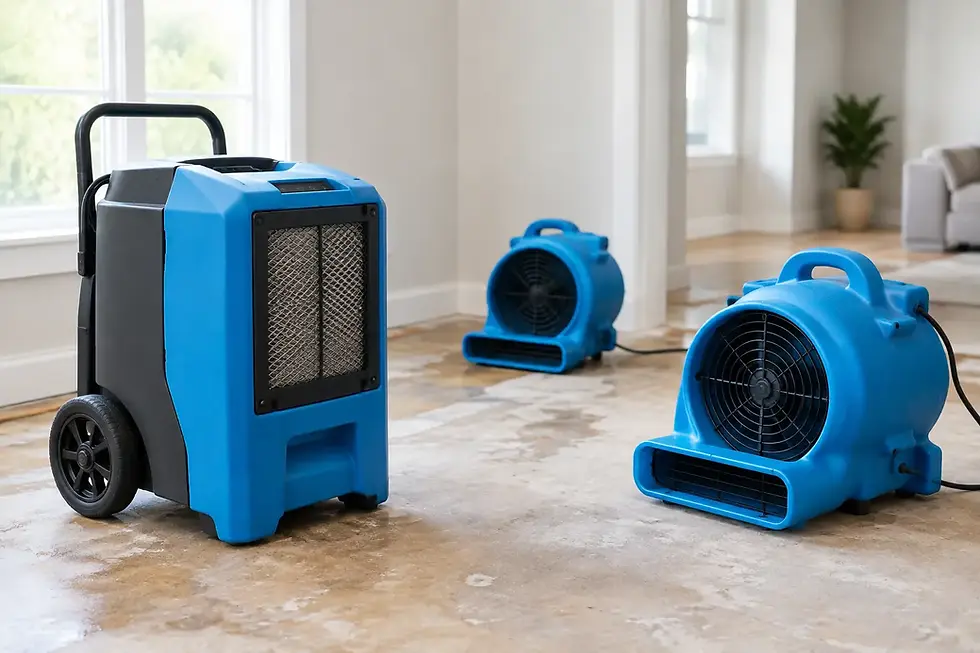
A professional drying process typically includes water extraction, removal of unsalvageable porous materials when necessary, commercial dehumidification and air movement, and ongoing moisture monitoring. Drying equipment should be adjusted to the specific materials and conditions in the building. Running fans without proper containment or dehumidification can move humidity and spores to other areas instead of solving the problem.
In eastern Wisconsin, basements, crawl spaces, and older homes can be especially vulnerable because seasonal humidity, cold surfaces, and limited ventilation make drying more difficult. A leak that seems minor in a finished basement can affect wall framing, carpet pad, insulation, and stored belongings. Early action protects more of the property and can reduce the scope of repairs.
Testing After Mold Remediation
When remediation is needed, post-remediation verification can provide useful confirmation before reconstruction begins. This step should include a visual review of the work area, confirmation that moisture conditions are normal, and verification that dust and debris have been removed. Depending on the project and the documentation required, clearance sampling may also be appropriate.
The goal is not simply to make a test result look good. The goal is to return the affected area to a clean, dry condition so rebuilding can proceed without trapping a problem behind new materials. This is particularly valuable for rental properties, commercial spaces, and larger insurance losses where owners need a clear record of the work performed.
Protect Your Property and Your Claim
Take photos of the leak source, affected rooms, damaged materials, and belongings before cleanup when it is safe to do so. Keep invoices, moisture documentation, mitigation records, and communications with your insurance carrier. Prompt reporting and clear records can help explain why emergency drying, material removal, mold inspection, or reconstruction was necessary.
Do not wait for visible mold if a leak has affected concealed building materials. A local restoration team can assess the damage, document moisture, coordinate with your insurer, and manage the work from emergency mitigation through repairs. Lakeshore Restoration LLC provides 24/7 response for water damage and mold concerns across Two Rivers, Manitowoc, Sheboygan, Green Bay, and nearby Wisconsin communities.
If a leak has left you uncertain about what is behind the wall or under the floor, act while the damage is still manageable. The right inspection and drying plan can protect the building you own, the people who use it, and the repairs you plan to make next.


Comments