.png)


When to Replace Wet Carpet After Water Damage
A soaked carpet can look recoverable an hour after a water event, then become a source of mold, odor, and subfloor damage days later. Knowing when to replace wet carpet helps you make a fast, safe decision before a small leak, flooded basement, or plumbing failure turns into a larger restoration project.
The right answer depends on three things: where the water came from, how long the carpet stayed wet, and whether professional drying can reach the carpet pad and materials below it. Surface drying alone is not enough. Water can remain trapped in padding, tack strips, seams, baseboards, and subflooring even when the top of the carpet feels dry.
When Should Wet Carpet Be Replaced?
Wet carpet should usually be replaced when it was affected by sewage, outdoor floodwater, or other contaminated water. Replacement is also often the safest option when the carpet and pad have been wet for more than 24 to 48 hours, when mold growth is visible or suspected, or when odors remain after professional cleaning and drying.
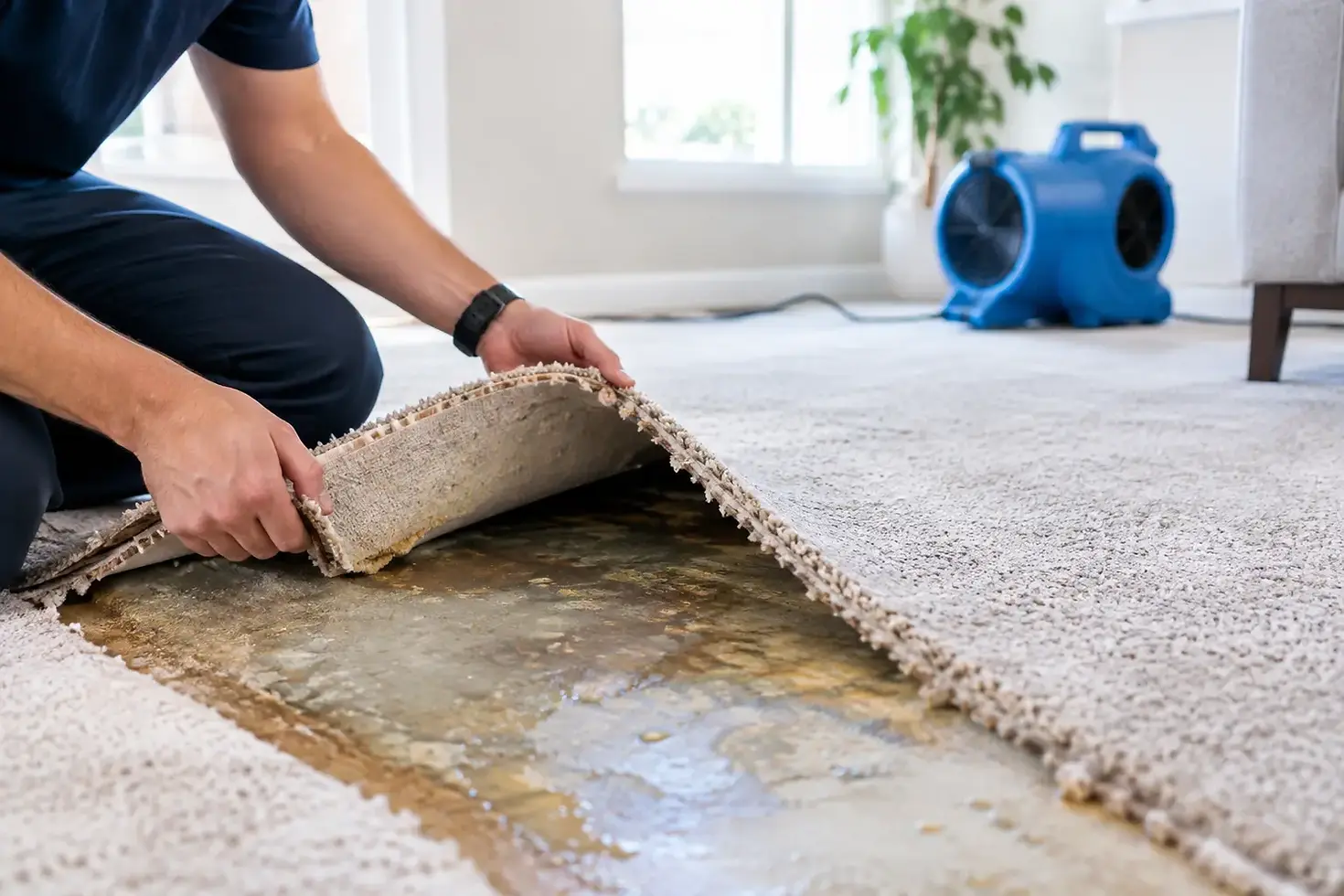
Carpet that has absorbed water from a clean supply line may sometimes be saved if the problem is addressed immediately. That does not mean placing a few fans in the room and hoping for the best. A proper restoration process includes extracting water, lifting or removing affected padding as needed, drying the carpet from both sides, checking moisture in the subfloor, and documenting the results.
For homes and businesses in eastern Wisconsin, timing matters even more during humid weather or when a property has poor airflow. Basements, lower-level offices, vacant rentals, and closed-up seasonal properties can hold moisture long after the visible water is gone.
The Water Category Often Decides the Outcome
Not all water damage carries the same health risk. Restoration professionals classify water based on its source and likely contamination level.
Clean Water May Allow Restoration
Clean water generally comes from a broken water supply line, an overflowing sink with no contamination, or rainwater that entered a property before it contacted dirty materials. If the water is addressed quickly, the carpet may be restorable, particularly if it is newer, in good condition, and has not been wet for long.
Even with clean water, the pad is often the deciding factor. Standard carpet padding acts like a sponge. It may hold contamination-free water, but it is difficult to dry completely and may lose its shape or support. In many cases, removing and replacing the pad while saving the carpet is the practical middle ground.
Gray Water Requires More Caution
Gray water can come from washing machines, dishwashers, showers, or toilet overflows without visible solid waste. It may contain detergents, food particles, bacteria, and other contaminants. Carpet exposed to gray water can sometimes be restored if the response is immediate, but the risk rises quickly as the water sits.
After 24 to 48 hours, gray water can become more heavily contaminated. At that point, replacement is frequently the safer choice, especially for carpet padding, porous baseboards, and damaged insulation.
Sewage and Floodwater Mean Replacement
If sewage, toilet waste, groundwater, or outdoor floodwater touched the carpet, replacement is generally necessary. These sources can contain bacteria, viruses, parasites, chemicals, and other contaminants that cannot be reliably removed from porous materials such as carpet and padding.
Do not attempt to shampoo or disinfect sewage-soaked carpet yourself. Keep people and pets away from the affected area, avoid tracking contamination into clean rooms, and arrange for trained cleanup professionals. The subfloor and structural materials beneath the carpet may still be cleaned and disinfected when they can be safely restored.
Four Signs Your Wet Carpet Is Not Worth Saving
Some damage is obvious. Other times, the carpet looks normal but has hidden conditions underneath. Replacement is the better decision if you notice any of these signs:
The carpet has a musty, sour, or sewage-like odor after drying attempts.
The padding feels wet, flattened, crumbly, or uneven underfoot.
Mold spots, discoloration, or staining appear near seams, walls, or furniture legs.
The carpet is separating, rippling, shrinking, or no longer lying flat.
A persistent odor is especially telling. Fragrance sprays and household cleaners may cover the smell briefly, but they do not remove moisture or microbial growth below the carpet. If the odor returns when the room is closed or humidity rises, further inspection is needed.
Why the First 24 Hours Matter
The first day after water damage is the best opportunity to save materials. The longer carpet, padding, drywall, and wood framing remain wet, the more likely they are to support mold growth and suffer permanent damage.
Quick action also protects the rest of the property. Water wicks outward through carpet backing and padding, then travels into walls, under cabinets, and beneath flooring transitions. A wet patch in one corner of a room may be connected to a much larger moisture area that is not visible from the surface.
If the water is clean and the loss is recent, remove standing water only if it is safe to do so. Move lightweight furniture away from the wet area, place foil or plastic blocks under furniture legs if possible, and keep people off the carpet. Avoid using a household vacuum on water. Do not pull up carpet unless instructed by a restoration professional, as improper handling can damage seams or spread contamination.
How Professionals Decide Whether Carpet Can Be Saved
A qualified restoration team does more than look at the carpet. They identify the water source, assess the contamination category, measure moisture in the carpet and subfloor, inspect adjacent walls and contents, and determine how long the materials have likely been wet.
When restoration is appropriate, technicians use commercial extraction equipment to remove water from carpet and padding. They may lift the carpet at edges, install drying equipment to move air beneath it, and use dehumidification to remove moisture from the indoor air. Moisture readings are checked throughout the drying process rather than relying on touch alone.
When replacement is necessary, the work should be controlled and documented. Affected carpet and padding are removed, the area is cleaned and dried, and structural components are evaluated before new flooring is installed. This approach prevents new carpet from being placed over damp or contaminated materials.
Lakeshore Restoration LLC provides 24/7 emergency response, certified water damage mitigation, cleanup documentation, and reconstruction support for property owners who need one team to manage the work from initial water removal through final repair.
Consider the Age, Value, and Use of the Room
Even if wet carpet can technically be restored, replacement may make more sense in certain situations. Older carpet with existing stains, worn backing, pet odors, or loose seams may not justify the cost of intensive cleaning and drying. The same is true for inexpensive carpet that will not return to a satisfactory condition.
Room use matters as well. In a rental unit, child’s bedroom, medical office, daycare space, or customer-facing business area, property owners may reasonably choose replacement to reduce health concerns and avoid future odor complaints. In a finished basement with high-quality carpet and verified clean water, restoration may be a more cost-effective option if started right away.
Insurance can also affect the decision. Many policies cover sudden and accidental water damage but may limit coverage for long-term leaks, groundwater, or maintenance-related issues. Clear photos, moisture records, a description of the water source, and an itemized mitigation estimate can help support the claim process.
Do Not Install New Carpet Until the Area Is Dry
Replacing carpet too soon creates a second problem. The subfloor, baseboards, walls, and framing must be dry and free of contamination before new padding and carpet go down. Otherwise, trapped moisture can produce odors, mold growth, warped flooring, and another round of repairs.
If your carpet is wet now, treat the water source and the clock as priorities. A fast inspection can determine whether the carpet is a candidate for professional drying or whether safe removal and replacement will protect your property better. The goal is not simply to make the room look dry - it is to return it to a clean, stable condition you can trust.


Comments