.png)


Is Sewage Backup Covered by Homeowners Insurance?
A sewage backup can turn a usable basement, bathroom, or business space into a health hazard within minutes. If you are asking, is sewage backup covered by homeowners insurance, the honest answer is: sometimes, but not automatically. Coverage often depends on the source of the backup, the language in your policy, and whether you purchased separate water or sewer backup protection.
The most urgent issue is not waiting for an insurance answer before taking action. Sewage water can contain bacteria, viruses, and other contaminants that can affect indoor air quality, flooring, drywall, insulation, and personal belongings. Protect the property, document the loss, and arrange professional cleanup as soon as possible.

Is Sewage Backup Covered Under a Standard Policy?
Most standard homeowners policies cover sudden and accidental water damage from certain plumbing failures inside the home. For example, a broken supply line or an overflowing appliance may be covered, subject to your deductible and policy terms. Sewage backup is different because many policies specifically limit or exclude water that backs up through sewers, drains, sump pumps, or municipal systems.
That does not mean every sewage loss is excluded. Many insurers offer a water backup endorsement, sometimes called sewer and drain backup coverage. This optional add-on may cover damage when water or sewage enters through a drain, toilet, sump pump, or sewer line. It commonly comes with a separate coverage limit, which could be lower than the overall dwelling limit on your policy.
For Wisconsin property owners, the exact answer is found in the declarations page, endorsements, exclusions, and definitions in the policy. An agent or claims representative can help explain the language, but do not rely on a verbal assumption that all water damage is covered.
What Usually Determines Coverage
Insurance carriers look closely at how and why the backup occurred. A backup caused by a sudden blockage in a covered plumbing system may be handled differently than recurring drain problems or long-term neglect. If a municipal sewer main becomes overwhelmed during heavy rain and sewage enters a lower-level drain, coverage may depend heavily on whether sewer backup protection was added to the policy.
A failed sump pump is another common gray area. Some policies cover resulting water damage only if you carry a specific endorsement. Others may exclude the loss if the pump failed because of a power outage unless additional coverage applies. The cause matters as much as the visible damage.
Damage from flooding is usually treated separately. If surface water from overflowing rivers, heavy rain, or widespread flooding enters the building, a standard homeowners policy generally will not cover it. Flood insurance is a different policy. In a real loss, more than one water source can be involved, which is why thorough inspection and documentation are so important.
Commercial property policies work similarly in principle but can have very different wording, limits, deductibles, and business-interruption provisions. Landlords and business owners should review sewer backup coverage before an emergency occurs, especially for properties with finished basements, lower-level storage, floor drains, or older sewer laterals.
What Your Policy May Pay For
When a sewage backup claim is covered, insurance may pay for reasonable emergency mitigation and restoration costs up to the applicable policy limit. This can include removal of contaminated materials, cleaning and disinfecting affected areas, drying, odor control, and repairs to damaged building materials.
Coverage for personal property may also apply, but heavily contaminated porous items often cannot be safely restored. Carpet padding, upholstered furniture, mattresses, particleboard furniture, paper goods, and some textiles may need to be removed and documented as a loss. Hard, nonporous materials can sometimes be cleaned and disinfected if they have not been permanently damaged.
Be aware of the difference between repairing damage and correcting the underlying cause. A policy may help pay for damage caused by a backup but not for replacing an aging private sewer lateral, correcting a chronic root intrusion issue, upgrading plumbing, or installing a backwater valve. Those preventive repairs can be worthwhile, but they may remain the property owner's responsibility.
What to Do Immediately After a Sewage Backup
Do not enter standing sewage water without proper protective equipment, and keep children, pets, tenants, and employees away from the affected area. If there is a risk of electrical contact, stay out until power can be safely assessed. Sewage cleanup is not a standard mop-and-disinfect job, particularly when contamination has reached finished rooms, wall cavities, or HVAC-related areas.
Take these steps right away:
Stop using toilets, sinks, showers, and appliances that drain into the affected plumbing line until the source is identified.
Photograph and video the affected rooms, water lines, damaged materials, and belongings before discarding items when it is safe to do so.
Call your insurer to report the loss and ask whether sewer or water backup coverage applies to your policy.
Contact a qualified restoration company for emergency extraction, containment, cleaning, documentation, and drying.
Do not wait for a claims adjuster to approve basic emergency work if active contamination is spreading. Most policies require property owners to take reasonable steps to prevent further damage. Keep records of every conversation, receipt, estimate, photo, and invoice. Write down the date and time the backup was discovered, any weather conditions, the plumbing symptoms you noticed, and actions taken to protect the property.
Why Professional Sewage Cleanup Matters
Sewage is commonly treated as Category 3 water, meaning it may contain harmful contaminants. The visible water is only part of the problem. Contamination can move below flooring, wick into drywall, soak insulation, enter baseboards, and create persistent odors if materials are not properly removed or cleaned.
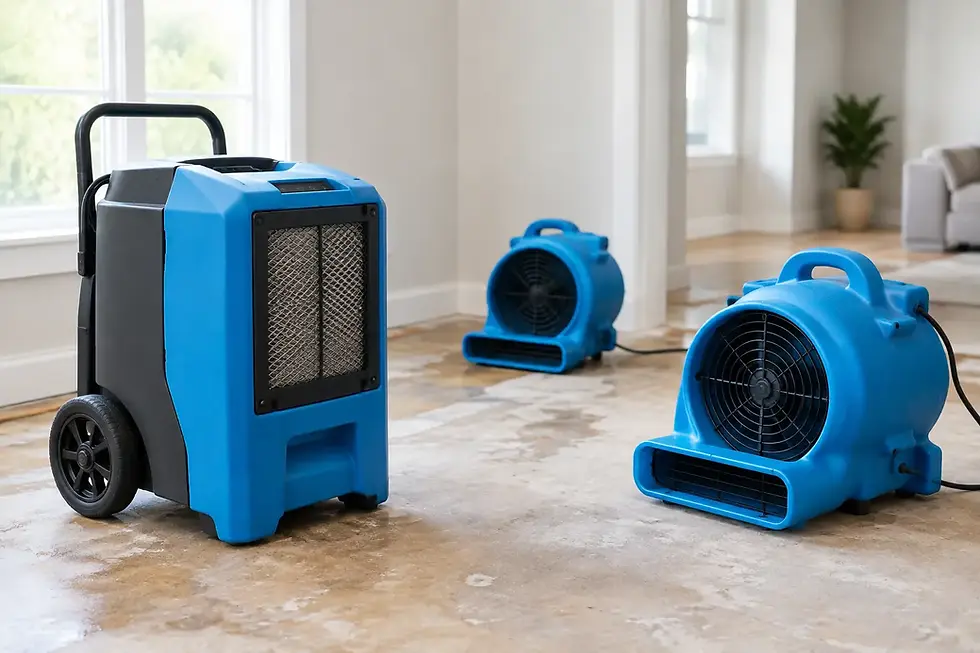
Professional restoration crews use containment, extraction equipment, commercial drying systems, antimicrobial cleaning methods, and moisture monitoring to address both contamination and hidden moisture. The work should be documented carefully, especially when insurance is involved. Clear records can help show the cause of loss, the affected areas, materials removed, and the emergency measures needed to return the property to a safe condition.
Lakeshore Restoration LLC provides 24/7 emergency sewage cleanup for homeowners, landlords, and businesses throughout eastern Wisconsin. Certified technicians can assess the affected space, begin safe mitigation, and provide the documentation needed for an insurance claim while the property moves from cleanup toward repair.
Questions to Ask Your Insurance Company
When you call your carrier, be specific. Ask whether your policy includes sewer, drain, sump pump, or water backup coverage; what coverage limit applies; and whether a separate deductible applies. Ask whether emergency mitigation is covered, how personal property should be documented, and whether the insurer has requirements before materials are removed.
It is also useful to ask whether the claim is being evaluated as a plumbing discharge, sewer backup, sump pump failure, flood event, or another type of water loss. Those classifications can affect coverage. Request the claim number, the adjuster's contact information, and a written explanation if any portion of the claim is denied or limited.
If your property has never experienced a backup, review your policy now rather than after the next heavy rain or plumbing failure. A modest endorsement may provide meaningful protection, but only if its limit reflects the cost to clean, rebuild, and replace contents in the spaces most vulnerable to damage.
A sewage backup is stressful, disruptive, and unsafe, but prompt action gives you the best chance to limit damage and protect your claim. Once the area is secured, focus on safe cleanup, complete documentation, and getting clear answers about your specific coverage.


Comments