.png)


How to Dry Out Wet Walls the Right Way
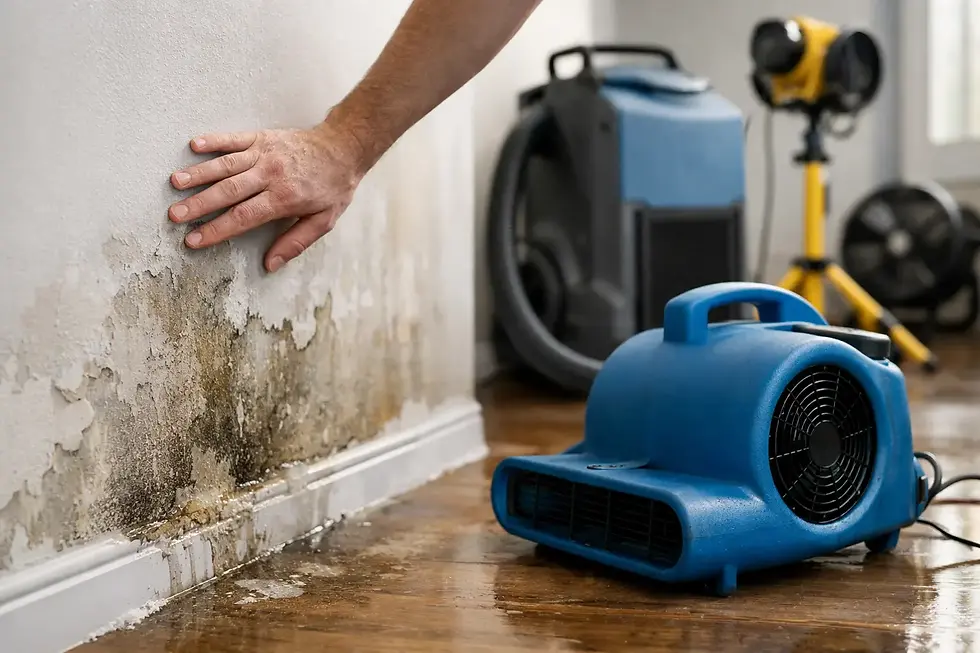
A wall can look only slightly damp and still hold enough moisture to grow mold, warp materials, and damage framing behind the surface. If you are wondering how to dry out wet walls, the first priority is not speed alone. It is making sure the source is stopped, the wall cavity is evaluated correctly, and moisture is removed before hidden damage spreads.
In Wisconsin homes and commercial buildings, wet walls often come from more than one source. A supply line can burst inside a bathroom wall, wind-driven rain can push water through exterior materials, or a frozen pipe can leak slowly enough that the problem is not obvious right away. What matters most is identifying what got wet, how long it has been wet, and whether the water is clean, gray, or contaminated.
Start by stopping the water source
Before any drying begins, the leak or intrusion has to be controlled. If the wall is wet because of an active plumbing issue, shut off the water supply to that area or to the building if needed. If the problem came from roof, siding, or window failure, temporary containment may be necessary until repairs can be made.
This step sounds basic, but it is where many property owners lose time. Running fans against a wall that is still taking on water will not solve the problem. It only delays proper mitigation while moisture continues moving into insulation, framing, flooring, and adjacent rooms.
If there is any chance the water reached electrical wiring, outlets, or appliances, turn off power to the affected area if it is safe to do so. Wet walls and energized circuits are not a do-it-yourself situation.
How to dry out wet walls safely
The right drying method depends on the wall assembly. Drywall, insulation, wood framing, plaster, vapor barriers, and exterior sheathing all react differently to water. A wall that got lightly damp from a small, clean-water leak may be dryable with limited opening. A wall soaked by floodwater or sewage backup usually requires removal of affected materials.
The first practical step is to remove surface water and reduce humidity in the room. Wet carpet, baseboards, furniture, and contents around the wall should be addressed at the same time. If the surrounding area stays humid, the wall will dry much more slowly.
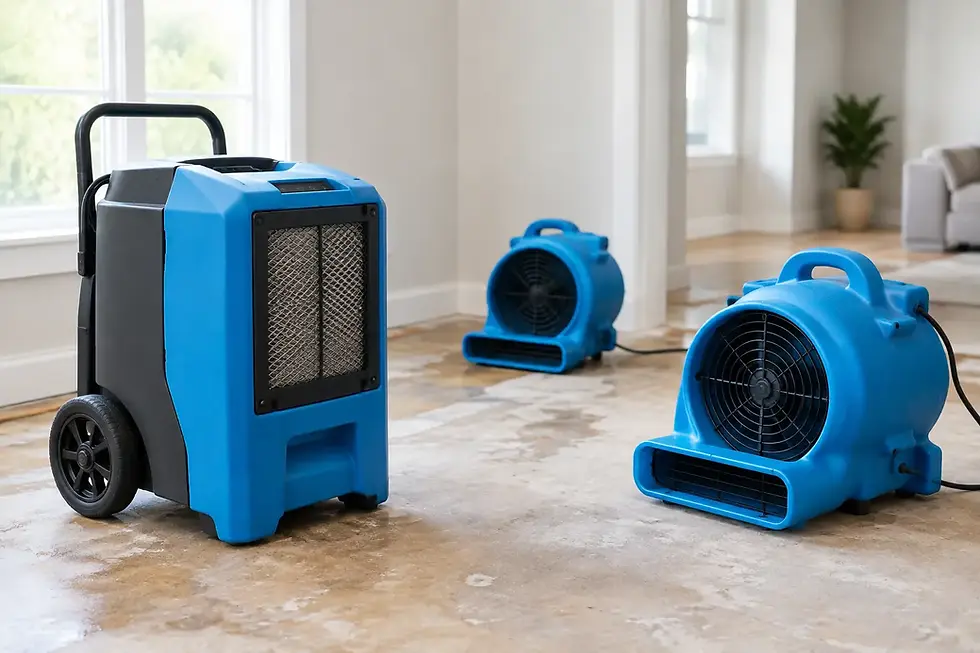
Air movement helps, but it has to be paired with dehumidification. Fans alone can push damp air around the room without removing enough moisture from the structure. Professional drying setups use a combination of air movers, dehumidifiers, moisture meters, and sometimes wall cavity drying systems to pull trapped moisture from inside the assembly.
Drying also depends on what is behind the wall. If fiberglass insulation is saturated, it often has to be removed because it holds moisture and loses performance. If cellulose insulation is wet, removal is even more likely. Leaving soaked insulation in place is one of the most common reasons a wall seems dry on the surface but develops mold later.
When wet drywall can be saved and when it cannot
Drywall is absorbent. It acts like a sponge, especially at the bottom edge where it can wick water upward several inches or more. Whether it can be saved depends on three things: how much water it absorbed, how long it stayed wet, and what type of water was involved.
If the wall was affected by clean water and drying starts quickly, some drywall can remain in place. That usually requires moisture testing to confirm the material is actually drying internally, not just on the painted face. Small inspection openings may be needed to check the cavity.
If the drywall is swollen, soft, crumbling, stained across a large area, or has been wet for more than a day or two, removal is often the safer route. The same is true if the water was contaminated. Floodwater, sewer backup, and other Category 2 or Category 3 water losses typically mean porous materials should be removed rather than dried in place.
Cutting out only the visibly damaged spot can also be a mistake. Moisture does not stay in neat shapes. It moves downward with gravity, sideways through materials, and into trim, subfloors, and insulation. A proper inspection usually reveals a larger affected area than the first stain suggests.
Drying the wall cavity matters more than drying the paint
A wall may feel dry to the touch while the framing and insulation behind it are still wet. That is why professional restoration crews rely on moisture readings instead of guesswork. Surface dryness does not mean the structure has returned to acceptable moisture levels.
Depending on the situation, technicians may remove baseboards and drill small access holes near the bottom of the wall to direct airflow into the cavity. In more severe losses, they may remove a larger section of drywall, usually in a controlled cut, to expose wet insulation and speed structural drying. This approach is often faster and safer than trying to save everything.
The trade-off is straightforward. Limited demolition can feel disruptive, but it often prevents a much bigger repair later. Trying to preserve every inch of drywall may save a little in the short term while increasing the risk of mold growth, odor, and hidden structural damage.
How long does it take to dry wet walls?
There is no single answer, because drying time depends on the amount of water, room temperature, humidity, wall construction, and whether insulation was affected. Some lightly wet walls dry in a few days. Heavily saturated assemblies can take longer, especially if water has moved into multiple layers.
This is another area where professional equipment makes a difference. Household fans and a small store-bought dehumidifier may help with minor moisture, but they usually do not create the controlled drying conditions needed for a serious wall leak or flood event. The longer moisture stays trapped, the higher the chance of microbial growth and material breakdown.
Signs the problem is bigger than it looks
Sometimes the obvious wet wall is only the starting point. If you notice a musty smell, peeling paint, bubbling drywall tape, swollen trim, sagging ceiling areas nearby, or discoloration on the opposite side of the wall, there may be hidden spread. Soft flooring along the wall line is another warning sign.
Commercial properties and multi-unit buildings add another layer of complexity because water can travel between suites, above suspended ceilings, and through utility chases. In those cases, drying one room without checking neighboring spaces can leave an active moisture problem in place.
Mold risk starts fast
Mold does not wait for a wall to look ruined. Given the right conditions, growth can begin quickly after water exposure. That does not mean every wet wall turns into a mold problem, but it does mean delays are expensive.
If a wall has been wet for more than 24 to 48 hours, or if there is already visible spotting or odor, the job may shift from simple drying to mold remediation. At that point, disturbing materials without containment can spread spores to other areas of the property.
That is why urgent action matters. Drying is not just about protecting drywall. It is about protecting indoor air quality, avoiding secondary damage, and reducing the scope of repairs.
When to call a professional restoration team
You should strongly consider professional help if the water source is not fully identified, the wall contains insulation, the affected area is more than a small isolated spot, or the water may be contaminated. The same applies if moisture reached flooring, multiple rooms, or lower wall sections after a basement backup or storm event.
An experienced restoration contractor can document the loss, map moisture, set up proper drying equipment, monitor progress, and handle removal and rebuild if needed. That matters when insurance is involved, but it also matters because incomplete drying is one of the main reasons water losses become repeat problems.
For property owners in eastern Wisconsin, especially after frozen pipe breaks, heavy rain, sump failures, or appliance leaks, fast response is often the difference between a straightforward drying job and a major reconstruction project. Lakeshore Restoration LLC handles that full process, from emergency mitigation through structural repair, so the property does not get left halfway restored.
What not to do with wet walls
Do not paint over stains and assume the problem is solved. Do not keep the wall closed just because the surface looks better after a day of fans. Do not ignore baseboards, insulation, or flooring at the bottom edge of the wall. And do not wait a week to see if the smell goes away.
tends to get more expensive when it is partially addressed. A controlled, professional drying plan usually costs less than mold cleanup, trim replacement, flooring removal, and repeated repairs after hidden moisture lingers.
If your wall is wet today, the best next step is a clear one: stop the source, protect safety, and make sure the inside of the wall gets as much attention as the outside.


Comments