.png)


Biohazard Cleanup for Homes Starts With Safety
A sewage backup in the basement, an unattended death, or animal waste discovered in an attic can turn a familiar home into a dangerous environment quickly. Biohazard cleanup for homes is not ordinary cleaning. It requires containment, protective equipment, proper removal of contaminated materials, and a clear plan to return the property to a safe condition.
For homeowners, landlords, and property managers, the first priority is protecting people from exposure. The second is preventing contamination from spreading into flooring, walls, HVAC systems, and belongings. Fast, professional action can reduce health risks, limit property damage, and create the documentation needed for an insurance claim.
What Counts as a Household Biohazard?
A biohazard is material that may carry pathogens or create an unsafe biological exposure. In a home, this can include blood and bodily fluids after a trauma, accident, or unattended death. It may also include sewage, animal feces and urine, decomposing remains, needles or sharps, and heavily contaminated hoarding conditions.
Not every unpleasant mess requires a specialty cleanup crew. A small, contained pet accident on a hard surface may be safely handled with appropriate household products. The situation changes when contamination is widespread, has soaked into porous materials, involves sewage or blood, or cannot be identified with confidence.
Sewage is one of the most common residential biohazards. Category 3 water, often called black water, can contain bacteria, viruses, parasites, and other contaminants. If it enters a finished basement, bathroom, kitchen, or living area, the affected materials may need more than surface disinfection. Carpet, pad, insulation, drywall, and upholstered items can retain contamination long after visible water is gone.
What to Do Before Cleanup Begins
Your actions in the first hour matter. Keep children, pets, tenants, and unnecessary visitors away from the affected area. Close the door if possible, but do not disturb materials or attempt to move contaminated belongings through clean parts of the house.
If sewage is actively backing up, stop using water fixtures and avoid flushing toilets until the source has been addressed. If there is an immediate danger such as a gas leak, fire risk, structural collapse, or a medical emergency, call emergency services first.
Do not vacuum, sweep, or use a household fan on dried biological material. Those actions can spread particles into the air or to other surfaces. Avoid using bleach as a catch-all solution, too. Bleach may discolor or damage materials, can create hazardous fumes when mixed with other products, and does not remove contamination that has penetrated porous building materials.
When trauma or bodily fluids are involved, do not try to sort through personal items without protection. Take photographs for insurance purposes only if doing so can be done from a safe distance. Then contact a professional cleanup provider that can assess the scene discreetly and explain the next steps.
When Biohazard Cleanup for Homes Requires Professional Help
Professional service is the right call when there is a known or suspected exposure to bloodborne pathogens, sewage, human waste, decomposition, rodent contamination, or drug-related debris. It is also appropriate when odors persist, contamination has reached absorbent materials, or the event involves a death, serious injury, or emotionally difficult circumstances.
The trade-off is cost versus risk, but it is not a situation where the lowest upfront option is always the least expensive. Incomplete cleanup can leave behind odor, microbial contamination, damaged subflooring, and conditions that complicate a future sale or rental. It can also expose family members, employees, or tenants to materials they should never have to handle.
For landlords and property managers, a prompt professional response helps document the condition of the unit, protect adjacent spaces, and prepare the property for safe occupancy. For homeowners, it provides a clear path forward when a situation feels overwhelming or personal.
How Professional Biohazard Cleanup Works
A qualified crew begins by assessing the affected spaces and identifying where contamination may have traveled. That assessment is more than a visual check. Fluids can move beneath flooring, behind baseboards, into wall cavities, and through cracks around fixtures. Moisture detection, odor assessment, and careful inspection help determine the proper scope of work.
Containment and Personal Protection
The team establishes controlled work areas to prevent cross-contamination. Technicians wear appropriate personal protective equipment, which may include gloves, protective suits, eye protection, and respiratory protection based on the hazard. Entry and exit procedures matter because contaminants can easily be carried into clean rooms on shoes, clothing, tools, or equipment.
Removal of Unsalvageable Materials
Porous materials that cannot be reliably decontaminated are removed and disposed of according to applicable requirements. Depending on the incident, this may include carpet and pad, drywall, insulation, particleboard furniture, mattresses, and contaminated personal contents.
Salvage decisions depend on the material, the type of contamination, how long it was present, and whether it can be cleaned and disinfected effectively. A hard, nonporous surface may often be restored. A heavily saturated upholstered sofa may not be a safe or practical candidate for cleaning.
Cleaning, Disinfection, and Odor Control
After removal, technicians clean affected structural surfaces using appropriate methods and EPA-registered disinfectants. Cleaning must happen before disinfection because soil and organic material can reduce the effectiveness of disinfectant products.
Odor control is handled as part of the restoration process, not as a cover-up. Odors from decomposition, sewage, urine, or smoke often persist because the source remains in materials or hidden cavities. Once contaminated sources are removed and surfaces are treated, specialized odor-control methods may be used to address what remains.
Drying, Verification, and Repairs
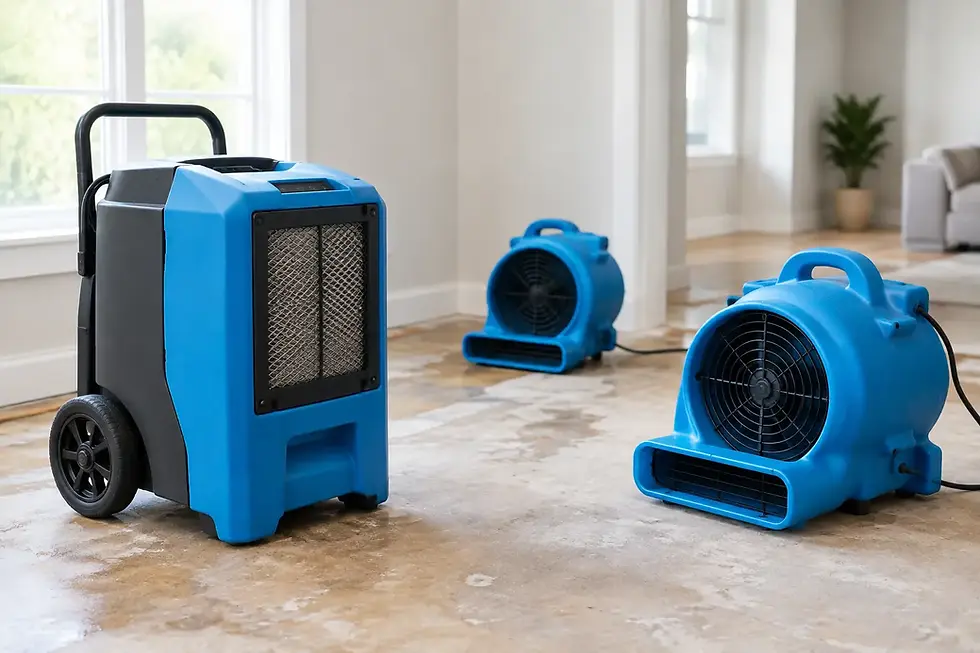
If water or sewage was involved, the structure must be dried thoroughly. Lingering moisture can lead to mold growth, warped flooring, damaged drywall, and hidden deterioration. Documentation of affected materials, cleanup steps, and moisture conditions can be useful for insurance communication.
Many cleanup events also leave a home needing repairs. Replacing drywall, insulation, flooring, trim, or damaged subflooring is often the final step in restoring the property to pre-loss condition. Working with one restoration team from emergency mitigation through reconstruction can reduce handoffs and keep the project moving.
Insurance Documentation Can Make a Difference
Coverage for biohazard events varies by policy and cause of loss. A sudden sewage backup may be treated differently than a long-term plumbing issue, and coverage for trauma cleanup or vandalism depends on the policy language. Do not assume the damage is excluded before reviewing your policy or speaking with your insurer.
Detailed documentation supports the claim process. A professional restoration company can provide photographs, moisture records when applicable, an itemized scope of work, and records of damaged materials. This does not guarantee coverage, but it gives the insurance carrier a clearer picture of why cleanup and repairs were necessary.
Keep receipts for emergency services, temporary accommodations if the home is unlivable, and items replaced because of contamination. If you are a landlord, document communications with tenants and any steps taken to secure the unit.
Why Speed Matters in Wisconsin Homes
In eastern Wisconsin, weather can add another layer of urgency. Cold conditions can slow drying in some situations, while warm, humid periods can accelerate odors and microbial growth after water intrusion. Basements, crawl spaces, older plumbing systems, and finished lower levels are particularly vulnerable when sewer lines back up or sump systems fail.
The right response is not always demolition of an entire room. It depends on the contamination type, the materials involved, and how far the damage traveled. But waiting to see whether an odor fades or a wet area dries on its own can increase the scope of work.
Lakeshore Restoration LLC provides 24/7 emergency response for property owners in Two Rivers, Manitowoc, Sheboygan, Green Bay, and surrounding communities. A trained restoration team can evaluate the situation, establish safe controls, support insurance documentation, and coordinate the cleanup and repairs needed to make the property safe again.
A biohazard incident can be upsetting, but you do not have to make every decision alone in the middle of it. Protect the area, keep people out, and bring in qualified help early so your home can move from crisis to safe, usable space with care and respect.


Comments