.png)


Quick Response Emergency Water Cleanup Near You
Updated: Aug 6
Water damage can strike unexpectedly, leaving your home or business vulnerable to costly repairs and health risks. When water invades your space, acting quickly is essential. Immediate cleanup can prevent further damage, reduce restoration costs, and protect your property’s structural integrity. This guide will walk you through the essentials of emergency water cleanup, helping you understand what to do and who to call when disaster strikes.
Understanding Emergency Water Cleanup
Water damage comes in many forms - from burst pipes and flooding to leaks and sewage backups. Each situation requires a prompt and effective response to minimize harm. Emergency water cleanup involves removing water, drying affected areas, and restoring your property to its pre-damage condition.
Why Speed Matters
Water can seep into walls, floors, and furniture within minutes. The longer it stays, the more damage it causes. Mold can start growing within 24 to 48 hours, posing serious health risks. Quick action stops water from spreading and reduces the chance of permanent damage.
Steps in Emergency Water Cleanup
Assess the Situation - Identify the source of water and the extent of damage.
Stop the Water Source - Shut off the main water supply or fix leaks if possible.
Remove Standing Water - Use pumps, wet vacuums, or mops to extract water.
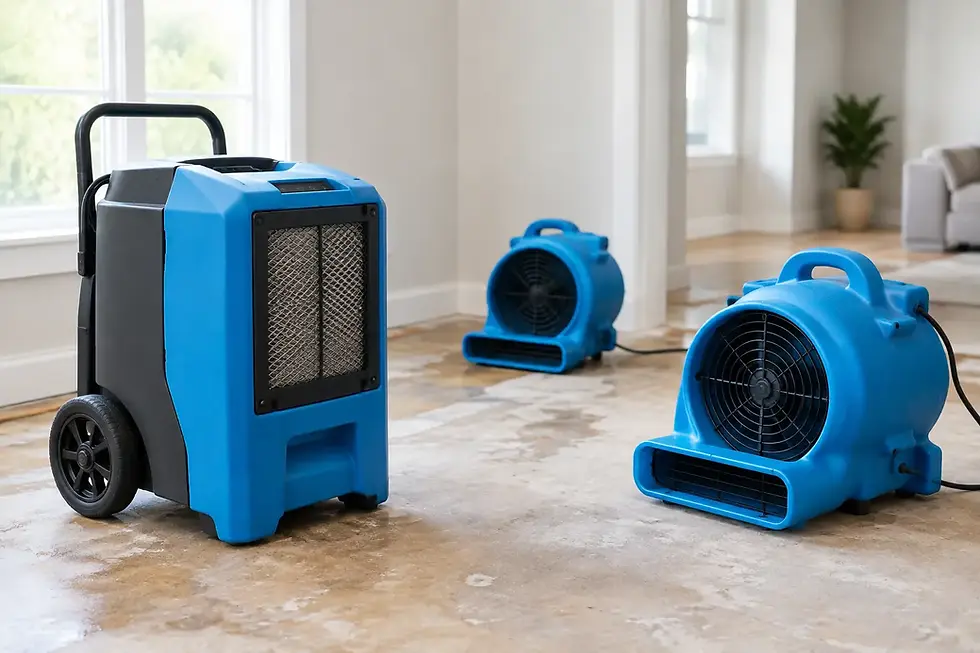
Dry and Dehumidify - Employ fans, dehumidifiers, and ventilation to dry the area.
Clean and Sanitize - Disinfect surfaces to prevent mold and bacteria growth.
Repair and Restore - Replace damaged materials and restore your property.

How to Handle Emergency Water Cleanup
When you face water damage, your first priority is safety. Electrical hazards and contaminated water can pose risks. Here’s how to handle the situation calmly and effectively:
Turn Off Electricity - If water is near electrical outlets or appliances, switch off power at the breaker.
Wear Protective Gear - Use gloves, boots, and masks to protect yourself from contaminants.
Document the Damage - Take photos and notes for insurance claims.
Ventilate the Area - Open windows and doors to help dry the space.
Avoid Using Household Fans - They can spread contaminants if water is contaminated.
Tools and Equipment You Might Need
Wet/dry vacuum
Pumps for large water volumes
Dehumidifiers and air movers
Cleaning agents and disinfectants
Moisture meters to check hidden dampness
If you don’t have the right tools or the damage is extensive, it’s best to call professionals who specialize in emergency water cleanup.

Who to Call if You Have Water Damage in Your House?
Knowing who to contact immediately can save you time and money. Here are the key professionals to reach out to:
Water Damage Restoration Specialists - Experts trained to handle water extraction, drying, and restoration.
Plumbers - To fix broken pipes or leaks causing the water damage.
Electricians - To inspect and repair electrical systems affected by water.
Insurance Agents - To report the damage and start your claim process.
For fast and reliable service, search for emergency water damage cleanup near me. Local restoration companies understand the specific challenges in your area and can respond quickly.
What to Expect from a Restoration Company
24/7 emergency response
Thorough water extraction and drying
Mold prevention and remediation
Structural repairs and rebuilding
Assistance with insurance claims
Choosing a reputable company ensures your property is restored safely and efficiently.

Preventing Future Water Damage
Once your property is restored, take steps to reduce the risk of future water damage:
Regularly Inspect Plumbing - Check pipes, faucets, and appliances for leaks.
Maintain Gutters and Downspouts - Ensure water flows away from your foundation.
Install Sump Pumps - Especially in basements prone to flooding.
Seal Cracks and Openings - Prevent water intrusion during heavy rains.
Monitor Humidity Levels - Use dehumidifiers to keep indoor moisture low.
Routine maintenance and early detection can save you from costly emergencies.
Taking Action Today
Water damage is stressful, but you don’t have to face it alone. Quick, informed action can protect your home and health. If you ever find yourself searching for emergency water damage cleanup near me, remember that professional help is just a call away. They bring the expertise, equipment, and support you need to recover swiftly.
Stay prepared, stay safe, and know that help is available when you need it most.


Comments