.png)


Efficient Water Damage Cleanup Services for Your Home
Water damage can strike unexpectedly, leaving your home vulnerable to structural issues, mold growth, and costly repairs. Acting quickly and efficiently is crucial to minimize damage and restore your living space to its original condition. This guide will walk you through the key steps and considerations for effective house water restoration, helping you protect your investment and maintain a safe environment.
Understanding House Water Restoration: What You Need to Know
House water restoration involves a series of professional processes designed to remove water, dry affected areas, and repair damage caused by flooding, leaks, or other water-related incidents. The goal is to prevent further deterioration and ensure your home is safe and comfortable again.
Common Causes of Water Damage in Homes
Burst pipes or plumbing failures
Roof leaks during heavy rain
Flooding from natural disasters
Appliance malfunctions (e.g., washing machines, water heaters)
Sewer backups
Signs You Need Immediate Restoration
Visible water pooling or dampness on floors and walls
Musty odors indicating mold or mildew
Warped or discolored flooring and drywall
Peeling paint or wallpaper
Early detection and prompt action can save thousands in repair costs and reduce health risks associated with mold exposure.

Key Steps in House Water Restoration
Restoring your home after water damage requires a systematic approach. Here are the essential steps professionals follow to ensure thorough cleanup and repair:
1. Inspection and Damage Assessment
A detailed inspection identifies the extent of water intrusion and affected materials. Moisture meters and infrared cameras help detect hidden water pockets behind walls and under floors.
2. Water Removal and Extraction
Using powerful pumps and vacuums, standing water is removed quickly to prevent further absorption into building materials.
3. Drying and Dehumidification
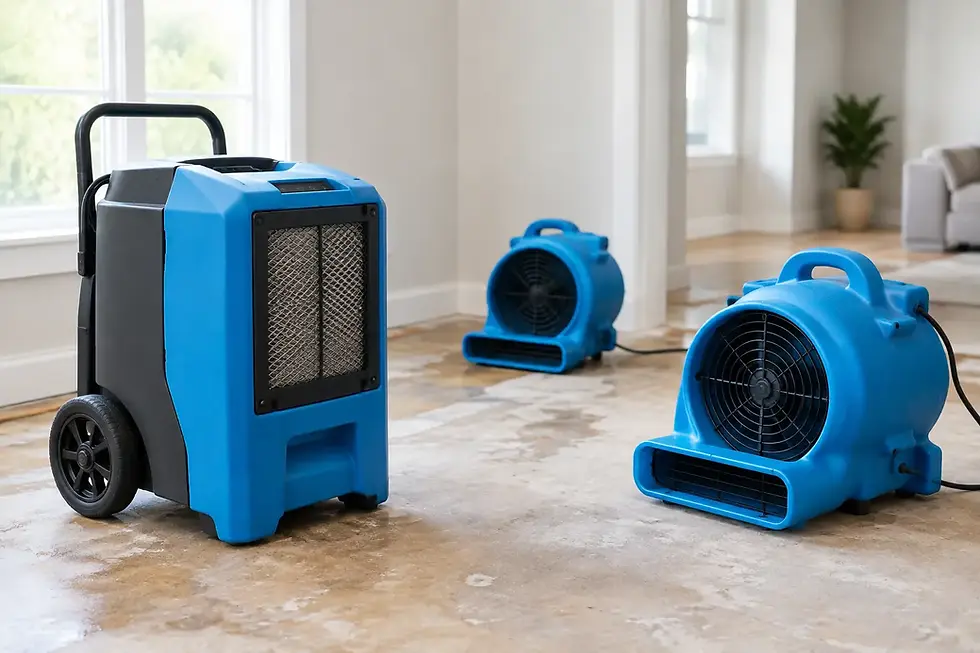
Specialized equipment like air movers and dehumidifiers dry out the structure. This step is critical to stop mold growth and restore normal humidity levels.
4. Cleaning and Sanitizing
Affected areas are cleaned with antimicrobial treatments to eliminate bacteria and prevent odors.
Damaged materials such as drywall, insulation, and flooring are repaired or replaced. Painting and finishing touches restore your home’s appearance.
Tips for Homeowners During Restoration
Turn off electricity in affected areas to avoid hazards.
Remove valuable items and furniture if safe to do so.
Document damage with photos for insurance claims.
Avoid using fans or heaters that can spread contaminants.

How much does Servpro cost for water damage?
When considering professional restoration services, cost is a common concern. Servpro, a well-known restoration company, offers water damage cleanup with pricing that varies based on several factors:
Extent of Damage: Larger affected areas require more labor and equipment.
Type of Water: Clean water damage is less costly than sewage or contaminated water cleanup.
Duration of Exposure: Longer exposure increases damage severity and cost.
Materials Affected: Structural repairs and replacement of flooring or drywall add to expenses.
Location and Accessibility: Remote or difficult-to-access areas may incur higher fees.
On average, Servpro water damage restoration costs range from $1,000 to $5,000 for typical residential jobs. Minor water removal and drying might be on the lower end, while extensive repairs and mold remediation push costs higher.
It is advisable to get a detailed estimate and check if your homeowner’s insurance covers part or all of the restoration expenses.

Choosing the Right Water Damage Cleanup Services
Selecting a reliable company for water damage restoration is vital to ensure quality work and peace of mind. Here are some tips to help you make the best choice:
Credentials and Experience
Look for certifications such as IICRC (Institute of Inspection Cleaning and Restoration Certification).
Choose companies with years of experience in residential water damage restoration.
Response Time
Water damage requires immediate attention. Opt for services that offer 24/7 emergency response.
Equipment and Techniques
Ensure the company uses advanced drying and extraction equipment.
Ask about their mold prevention and sanitization methods.
Customer Reviews and References
Read online reviews and request references to gauge customer satisfaction.
Transparent Pricing
Get a clear, written estimate before work begins.
Confirm what services are included and any potential additional costs.
For trusted and efficient water damage cleanup services, partnering with a reputable provider can make all the difference in restoring your home quickly and safely.
Preventative Measures to Avoid Future Water Damage
Taking proactive steps can reduce the risk of water damage and protect your home investment. Consider these practical recommendations:
Regularly inspect plumbing for leaks and corrosion.
Maintain gutters and downspouts to direct water away from your foundation.
Seal cracks in walls, windows, and the foundation.
Install a sump pump in basements prone to flooding.
Monitor appliances like water heaters and washing machines for signs of wear.
Use water leak detectors that alert you to leaks early.
By staying vigilant and addressing minor issues promptly, you can avoid costly restoration projects in the future.
Water damage can be overwhelming, but with the right knowledge and professional help, your home can be restored efficiently and effectively. Understanding the restoration process, costs, and prevention strategies empowers you to act decisively when water issues arise. Remember, timely intervention is key to safeguarding your home’s structure and your family’s health.


Comments