.png)


The Critical Necessity of Quick Response in Disaster Situations
- Lakeshore Restoration LLC
- Sep 19, 2025
- 4 min read
Updated: Feb 12
When disaster strikes, every second counts. Whether it’s a natural calamity, a sudden fire outbreak, or a plumbing failure leading to a basement flood restoration, the response time can significantly impact the outcome. In the realm of disaster management, understanding the importance of a quick response is crucial. Let’s dive deeper into why prioritizing rapid action during disasters can mitigate damage, save lives, and assure effective water damage restoration.
The Immediate Risks of Delaying Response
When faced with emergency situations, a delayed response can lead to escalating hazards. Immediate dangers include:
Increased Damage: Whether it’s water damage, mold infestation, or fire, the longer you wait to address the problem, the more extensive and costly the damage becomes.
Health Risks: Situations like a flooded basement can lead to mold growth, posing significant health concerns. Delaying mold remediation can lead to respiratory issues and other serious health problems for occupants.
Emotional Toll: Disaster situations create chaos and stress for families. Quick responses can provide reassurance and control during trying times.
The Role of Emergency Services
Emergency services, including fire departments and disaster response teams, are vital in escalating situations. Their training and availability are crucial for a swift response. These services not only save lives but also initiate immediate damage control, such as:
Fire Damage Restoration: Prompt extinguishing of fires minimizes structural damage, allowing for quicker restoration efforts.
Water Damage Restoration: Quick intervention can prevent further saturation, mold growth, and structural integrity issues.
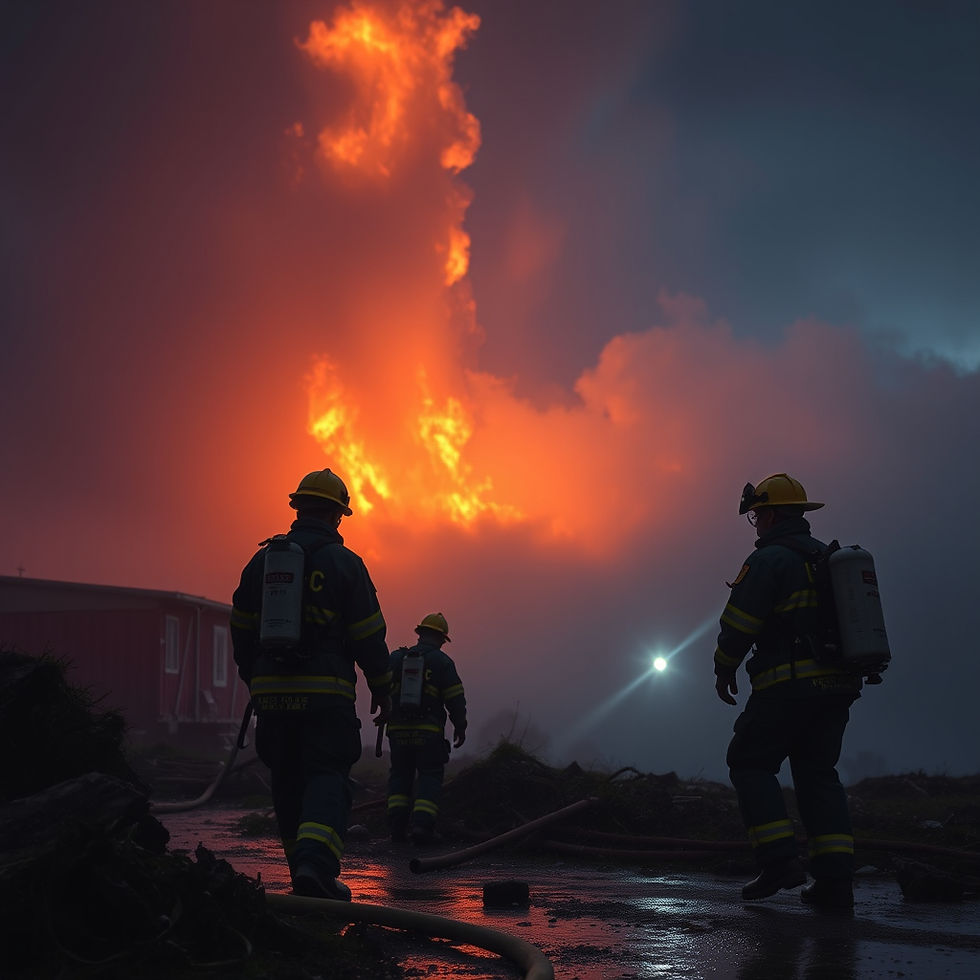
Disaster Emergency Response and Recovery
Strategies for Quick Disaster Response
Implementing effective strategies is essential for both individuals and organizations to enhance their disaster response times. Here are some strategies for ensuring a rapid response:
Preparedness Training
One of the most effective ways to ensure a fast response is through regular preparedness training. This includes:
Conducting drills for fire emergencies, water evacuations, and mold remediation procedures.
Providing educational resources on identifying and reacting to disaster situations.
Establishing Communication Channels
Having clear communication pathways within organizations or communities can facilitate quick decision-making and mobilization. This can include:
Designating emergency contacts who are responsible for coordinating responses.
Using automated messaging systems for quick information dissemination during crises.
Investing in Infrastructure and Equipment
Investing in reliable emergency response tools can expedite the process of dealing with disasters. This includes:
Pump systems and drying equipment for fast water damage restoration.
Fire extinguishers and suppression systems for immediate action.
The Process of Restoration
Once the immediate dangers are addressed, restoration begins. Every disaster requires a tailored approach to restore safety and normalcy:
Water Damage Restoration
In cases of flooding, quick action is crucial to prevent severe structural damage. The process usually involves:
Assessing the damage.
Water removal through pumps and vacuums.
Drying and dehumidification of affected areas.
Cleaning and sanitizing to prevent mold growth.
For fire damage, the restoration process includes:
Safety evaluation and assessment of the property.
Removal of smoke residues and odor control.
Repairing or replacing damaged structures and belongings.
Mold Removal and Remediation
In the aftermath of water damage or high humidity, mold can be a looming threat. Effective mold removal involves:
Identifying and isolating contaminated areas.
Using specialized equipment to remove mold spores.
Implementing moisture control measures to prevent future growth.
Importance of Professional Assistance
While some may consider handling disasters on their own, professional assistance is indispensable for effective restoration. Professionals bring expertise and equipment that individuals may not have, including:
Advanced technology for assessing damage and executing repairs quickly.
Knowledge of safety protocols, ensuring that every step is taken responsibly.
Access to insurance and damage reports that can assist with claims.
The Community Factor
A quick response isn’t just about personal vigilance; it hinges on community support. Here's how communities can enhance their disaster response:
Community-Level Training
Encouraging communities to participate in training and educational programs can build collective resilience. This can include:
Hosting workshops with local experts for educating citizens about disaster readiness.
Setting up community emergency response teams (CERT) to ensure readiness during incidents.
Resource Networking
Developing networks among neighbors can provide valuable support, including:
Establishing local groups for sharing resources during disasters.
Creating platforms to disseminate information about available help and services.
Creating a Culture of Preparedness
Instilling a culture of preparedness within individuals and communities significantly enhances disaster response efficiency. Being proactive rather than reactive fosters resilience and minimizes chaos during emergencies.
Encourage families to keep emergency kits stocked.
Promote the necessity of having evacuation plans.
Tools for Quick Response
Many tools and technologies are now available to streamline disaster response efforts. These include:
Mobile Apps: Applications that offer real-time updates about weather conditions, evacuation routes, and emergency contacts.
Sensors: Smart home devices that detect smoke, flooding, and other dangers can provide early warnings to prevent escalation.
Social Media: Platforms that can serve as tools for quick sharing of information and gathering community support.
Paving the Way Forward
The effects of disasters can be devastating, but understanding the significance of rapid responses can lead to critical recovery. Whether through personal efforts, community initiatives, or professional restoration services for water damage restoration, basement flood restoration, fire damage restoration, and mold remediation, being ready and informed ensures you can tackle adversities head-on.
Investing time and resources into preparation reduces the impacts of unforeseen events, ultimately protecting lives, property, and well-being. As we face unpredictable challenges together, let’s embrace the idea that our swift response can pave the way for a safety-focused future—keeping us all a step ahead of disaster.
FAQs
Why is a quick response critical in disaster situations?
A quick response is critical because it can significantly mitigate damage, save lives, and ensure effective restoration after disasters.
What are the immediate risks of delaying a disaster response?
Delaying a disaster response can lead to increased damage, health risks like mold growth, and emotional stress for affected families.
How do emergency services contribute to disaster management?
Emergency services, such as fire departments and disaster response teams, play a vital role by saving lives and initiating immediate damage control efforts.
What strategies can enhance quick disaster response?
Effective strategies include preparedness training, establishing communication channels, and investing in reliable infrastructure and equipment.
What is the importance of professional assistance in disaster restoration?
Professional assistance is crucial because experts have the necessary knowledge, advanced technology, and equipment to ensure effective and safe restoration.


Comments